




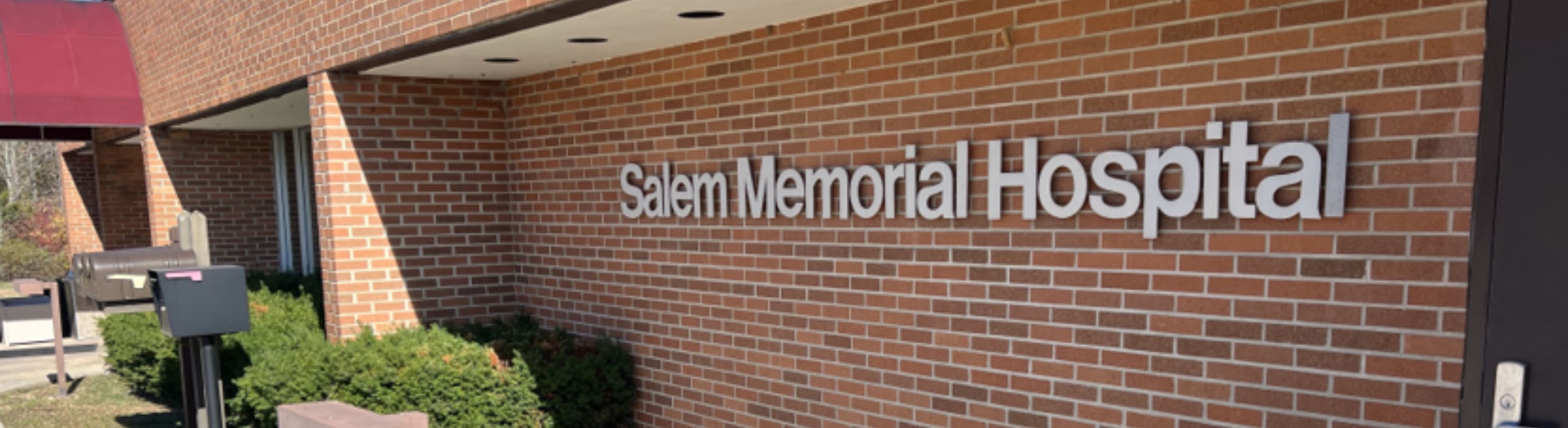
Nursing Care at Salem Memorial Hospital
At Salem Memorial Hospital, inpatient nursing care means skilled, compassionate support when you and your family need it most. Our team blends clinical expertise with genuine human connection—listening closely, explaining clearly, and partnering with patients and families to make recovery as comfortable and safe as possible. Because we are part of this community, our care emphasizes relationships: familiar faces, clear communication, and a patient-centered approach tailored to your needs.Why choose inpatient care close to home?
Being treated near home offers real advantages for patients and families. When you receive inpatient care at Salem Memorial:- You stay connected to family, friends, and familiar routines—an important part of healing.
- Care is more personal and coordinated; our teams know our community and your likely needs.
- We offer a warm, easy-to-access environment with timely communication and follow-up.
Our goal is to deliver high-quality, evidence-based care while preserving dignity and comfort—so you can focus on getting better instead of navigating distance or complexity.
Our nursing philosophy
Our nurses are highly trained clinicians and trusted partners in your care. They:- Provide continuous assessments and skilled clinical interventions.
- Prioritize clear, respectful communication with patients and families.
- Coordinate closely with physicians, therapists, social services, and primary care to keep care seamless.
- Emphasize comfort, safety, and education so patients feel confident during and after their stay.
We believe outstanding nursing care mixes technical skill with empathy—being present, answering questions, and helping patients and families make informed decisions.
Types of nursing care
Observation
Observation status is used when a patient requires monitoring, tests, or short-term treatment to determine whether a full inpatient stay is needed. Observation stays allow clinicians to closely track symptoms and response to treatment over a limited time window.Who this benefits:
- Patients with new or changing symptoms that need short-term evaluation (e.g., brief chest pain workup, dizziness, medication reactions).
- Patients and families who prefer a shorter, focused stay with rapid reassessment and clear next steps.
Acute (Inpatient) Care
Acute inpatient care is for patients who require intensive monitoring, ongoing medical treatments, or surgical care that cannot be safely provided at home. This level of care includes 24/7 nursing support, medication management, wound care, advanced monitoring, and collaboration with specialists.Who this benefits:
- Individuals recovering from surgery, serious illness, or an exacerbation of a chronic condition that requires hands-on medical care.
- Patients who need continuous nursing observation, frequent treatments, or complex medication adjustments.
Swingbed / Transitional Care
Our swingbed or transitional care service helps patients who no longer need acute hospital-level interventions but still require skilled nursing, rehabilitation, or medical oversight before returning home. Services often include physical, occupational, and speech therapy; wound management; medication optimization; and step-down nursing.Who this benefits:
- Patients recovering from hospitalization who need extra time to regain strength and function.
- Individuals who require short-term therapy or skilled nursing to bridge the gap between hospital care and home independence.
Respite Care
Respite care provides short-term inpatient support for individuals whose primary caregivers need temporary relief. This service ensures the patient receives safe, monitored care while caregivers rest, manage personal responsibilities, or attend to emergencies.Who this benefits:
- Family caregivers who need a short break while ensuring their loved one remains comfortable and safe.
- Patients who need a brief, supervised stay for observation, medication management, or recovery from a minor episode.
Care coordination — how our team works for you
Care coordination is central to every inpatient stay. At Salem Memorial we assign a care team that typically includes nurses, physicians, therapists, pharmacists, case managers, and social services. Team members meet regularly to review progress, adjust treatment goals, and keep patients and families informed.Key elements of our care coordination:
Interdisciplinary rounds: Regular team meetings to align on goals, identify barriers to recovery, and plan next steps.
Single point of contact: A designated nurse or case manager helps answer questions, arrange follow-up appointments, and connect you with community resources.
Medication reconciliation: Pharmacists and nurses ensure all medications are reviewed, adjusted as needed, and explained before discharge.
This tightly coordinated approach reduces confusion, prevents gaps in care, and ensures that everyone — including your primary care provider — is on the same page.
Discharge planning — preparing you for the next step
Discharge planning begins on day one. Our team works with patients and families to create a clear, realistic plan for leaving the hospital safely. That plan may include:Home care needs and instructions (dressing changes, medication schedules, adaptive equipment).
- Follow-up appointments with primary care or specialists.
- Arrangements for home health services, durable medical equipment, or outpatient therapy.
- Clear written instructions and education for the patient and caregiver, including who to call with questions.
We always confirm that you understand medications, activity restrictions, and warning signs that should prompt contacting your care team.
Social services and patient support
Our social services team supports emotional, financial, and practical needs that affect recovery. Services include:Assistance with advance care planning, guardianship, or durable power of attorney questions.
- Connection to community resources for transportation, meals, or home support.
- Counseling and emotional support for patients and families facing difficult decisions.
- Help navigating insurance, prior authorizations, and coverage questions.
If additional specialty resources are needed, we help coordinate referrals while keeping the patient’s comfort and preferences at the center.
Family involvement and communication
We encourage family participation in care—whether that means being present for rounds, learning wound care or medication steps, or helping with discharge plans. Nurses make time to explain changes and answer questions in simple, practical terms so families feel confident helping their loved one at home.Safety, quality, and comfort
Salem Memorial remains committed to high-quality clinical standards. We follow evidence-based protocols for infection prevention, fall prevention, pain management, and medication safety. At the same time, we focus on comfort: timely communication, private or semi-private rooms when available, and an environment that respects dignity and privacy.Inpatient (Medical-Surgical) Visitation
At Salem Memorial District Hospital, we know that family and friends play an important role in healing. Our visitation policy is designed to create a safe, supportive, and welcoming environment for patients and visitors.Visiting Hours:
- 7:00 a.m. – 10:00 p.m.
- Unlimited visitors are welcome during these hours.
General Guidelines:
- Children under 16 must be with an adult at all times.
- Overnight visitors must be at least 18 years old and may be asked to wait in a designated area if the patient is in a shared room.
- Visitors are not permitted in restricted areas such as operating rooms.
- Sick visitors are encouraged to postpone their visit.
When Visits May Be Limited:
Visitation may be restricted at the patient’s request, due to legal orders, emergency situations, space limitations, or if the care team determines that visitation could affect the patient’s recovery.
Isolation Precautions:
- Visitors must follow staff instructions for wearing protective equipment (masks, gowns, etc.).
- Children 12 and under may not visit isolation rooms unless the patient is near end-of-life.
We are committed to compassionate care and will always work with families to support safe, meaningful visits.
Questions or referrals
If you or a loved one may need inpatient care, your primary care provider or the Emergency Department can initiate a referral. For questions about services, insurance coverage, or to schedule a conversation with our nursing leadership or care coordination team, please contact (573) 729-6626.Salem Memorial Hospital is proud to provide dependable, compassionate inpatient care to our neighbors. We combine clinical excellence with the warmth of a community hospital—helping patients heal close to home, surrounded by caring professionals who know our community and value each person as an individual.